
Why Professional Fixes for Damaged Slabs and Surfaces Matter
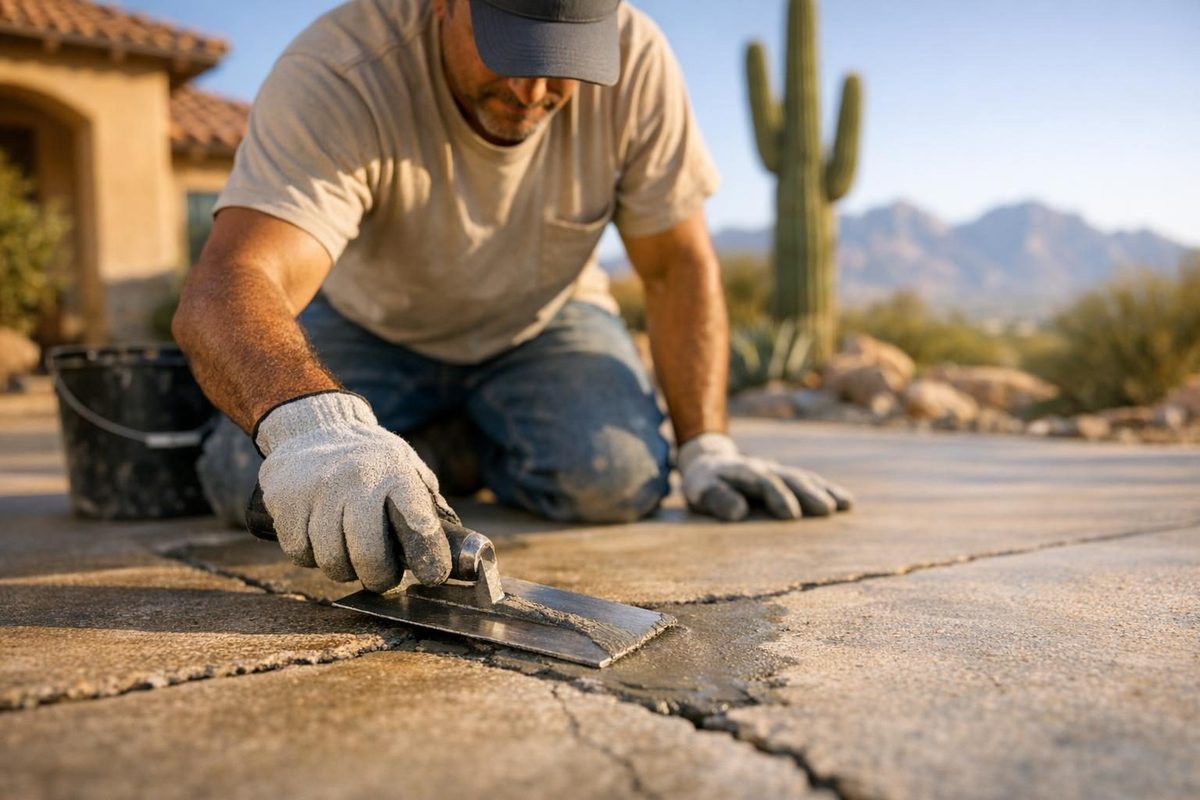
Professional concrete repair services are essential for protecting both the safety and long-term value of your Tucson property. Cracks, spalling, and settling don’t fix themselves. Left alone for even one season, minor surface damage can turn into a structural problem that costs 3 to 5 times more to address. Getting qualified help early is the single best way to avoid that escalation.
What Causes Slabs and Foundations to Break Down?
Tucson’s desert climate creates a punishing cycle for outdoor surfaces. Summer temperatures above 110 degrees cause expansion, while winter nights near freezing trigger contraction. Add monsoon season moisture that seeps into hairline cracks, and you get a recipe for accelerated deterioration over just a few years.
Soil movement is another major factor. The expansive clay soils common in the Tucson basin shift after heavy rains, pushing slabs out of alignment. Rebar corrosion, a process where moisture reaches the internal steel reinforcement and causes it to rust and expand, can crack a slab from the inside out. Tree roots near walkways or patios create uplift pressure that splits joints.
One issue many homeowners overlook: poor original mix design. If the water-to-cement ratio was too high during the initial pour, the cured surface will be weaker and more porous from day one.
How Qualified Professionals Handle Structural and Surface Damage
A proper fix involves more than filling a crack with caulk from the hardware store. Licensed crews follow a sequence that starts with diagnosing the root cause, not just the visible symptom.
- Assessment and diagnosis. A technician evaluates whether damage is cosmetic, structural, or both. Settling foundations require a different approach than surface spalling.
- Surface preparation. The damaged area is cleaned, loose material is removed, and edges are saw-cut to create a clean bonding surface. Skipping this step is why most DIY patches fail within a year.
- Material selection and application. Epoxy injection, a method that forces adhesive into cracks under pressure, works well for structural fractures. Polyurethane foam lifting, sometimes called mudjacking, re-levels settled slabs without full replacement. For surface wear, polymer-modified overlays restore both strength and appearance.
- Sealing and protection. A penetrating sealer blocks moisture infiltration and slows future weathering. The American Concrete Institute (ACI), the leading authority on mix design and placement standards, recommends resealing exposed surfaces every 2 to 3 years in arid climates.
Each of these steps requires specific equipment and training. That’s what separates professional-grade work from a weekend patch job.
Financial and Safety Benefits of Acting Early
Delaying fixes almost always costs more. A hairline crack that would take $200 to seal today can become a $2,000 slab replacement in two years. If the problem reaches the foundation, the methods involved get significantly more complex and expensive. You can estimate costs for common jobs here.
Safety is just as important. Uneven walkways and cracked pool decks create trip hazards. For commercial properties, that’s a direct liability exposure. Tucson building code requires property owners to maintain pedestrian surfaces in safe condition, and a documented history of professional upkeep demonstrates compliance.
Curb appeal matters too. Well-maintained driveways and patios raise property values by 5% to 10% according to most real estate appraisals. Buyers notice worn, cracked surfaces immediately.
Ongoing Care After the Fix
Getting a slab or walkway restored is only half the job. Without a regular maintenance routine, the same problems will return. Sweep debris off surfaces monthly to prevent moisture from pooling in low spots. Reseal every 2 to 3 years. Watch for new hairline fractures each spring and address them before the next monsoon cycle.
Concrete repair services are essential not just once, but as part of a long-term property care strategy. Start by scheduling an inspection with a licensed Tucson contractor who can evaluate your slabs, walkways, and foundation. Address the worst damage first, then build a maintenance calendar that keeps everything in good shape year after year.
Frequently Asked Questions
How do I know if a crack needs professional attention?
Any crack wider than 1/4 inch, any crack that runs through the full depth of a slab, or any crack accompanied by uneven surfaces should be evaluated by a professional. Hairline surface cracks under 1/8 inch are usually cosmetic and can be sealed with a DIY product, but monitor them for growth.
Can damaged driveways be fixed without full replacement?
Yes, in most cases. Techniques like epoxy injection, foam lifting, and polymer overlays can restore structural integrity and appearance for 40% to 60% less than a full tear-out and repour. Full replacement is only necessary when the sub-base has failed completely or more than 50% of the surface is compromised.
How long do professional fixes typically last?
A quality structural patch or leveling job lasts 8 to 15 years depending on climate exposure, traffic load, and maintenance. Sealed surface patches last 5 to 8 years. Regular resealing extends the lifespan of any restoration work significantly.
Does Tucson’s climate make these problems worse?
Absolutely. The combination of extreme heat, rapid cooling, and seasonal flooding from monsoons creates more thermal cycling and moisture damage than most U.S. climates. Properties in Tucson typically need maintenance attention 30% to 40% more frequently than those in moderate climates.