
The Tucson concrete shortage created real problems for homeowners and contractors across Pima County over the past several years. Supply chain disruptions, rising demand, and limited cement kiln capacity pushed wait times to two weeks or more in some cases. By 2026, conditions have improved, but the market still feels the effects of those years of constrained supply. Here is what caused the shortage, where things stand now, and how to plan your next project around current availability.
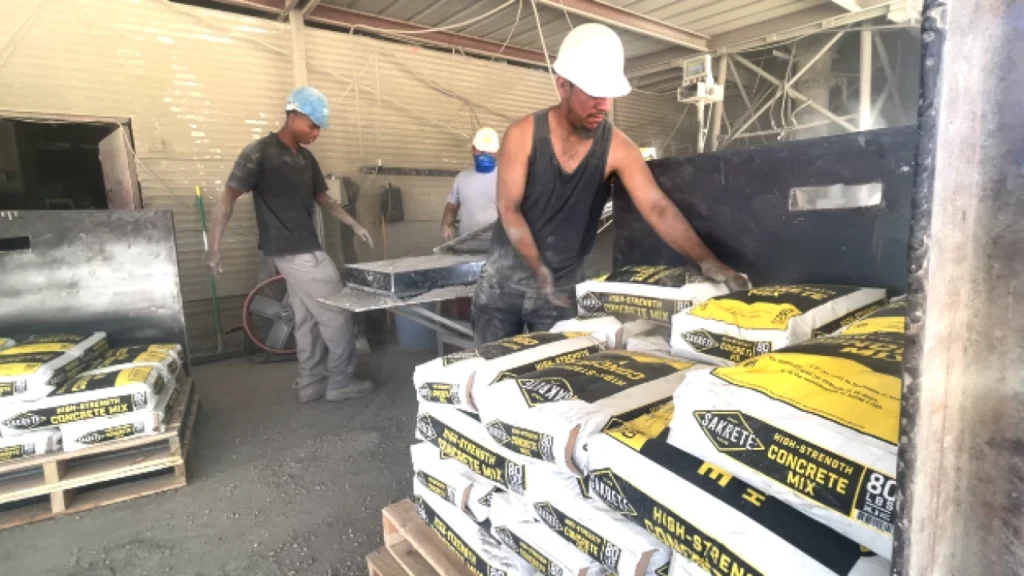
What Caused the Tucson Concrete Shortage
A concrete shortage happens when demand for ready-mix outpaces the available supply of cement, the binding ingredient. In Tucson, three forces collided between 2020 and 2023 to create a perfect storm of limited supply.
First, pandemic-era factory shutdowns cut cement production at regional kilns. Workers could not safely operate plants at full capacity, and maintenance schedules slipped. Second, once construction resumed, a backlog of delayed residential and commercial projects all competed for the same limited material. Southern Arizona saw some of the highest building permit activity in the state during that period.
Third, diesel fuel costs spiked. Transporting raw materials from regional plants to batch facilities in Pima County became significantly more expensive, which further squeezed margins and slowed deliveries. The Portland Cement Association, the industry group tracking U.S. cement capacity, noted that national clinker production dropped roughly 5% during peak disruption years.
One factor most people overlook: Tucson sits far from major cement manufacturing hubs. Phoenix has closer access to multiple kilns. That geographic distance means any national supply disruption hits the Tucson market harder and takes longer to resolve. I’ve seen contractors wait 10 to 14 business days for deliveries that used to arrive in 3.
How the Supply Situation Looks in 2026
Two new cement kilns came online in the Southwest between late 2022 and 2024, adding meaningful production capacity to the region. The result: ready-mix availability in southern Arizona has stabilized for most residential and small commercial jobs.
That said, large commercial pours still require advance scheduling. Contractors working on driveway installations requiring specific thickness or foundation work should place material orders at least one week ahead. Prices remain higher than pre-2020 levels, a reality that tracks with broader Tucson pricing trends.
Residential projects like driveways, patios, and sidewalks are far easier to schedule now. If your project needs fewer than 10 yards of ready-mix, most batch plants can fill the order within a few days.
Why Building Material Shortages Still Affect Arizona
Arizona’s population grew by over 750,000 residents between 2020 and 2025 according to U.S. Census Bureau estimates. That growth drives continuous demand for housing, roads, and commercial buildings. Even with improved kiln output, the margin between supply and demand stays thin.
Environmental regulations play a role too. Cement manufacturing produces significant carbon emissions, and tighter EPA standards have slowed new plant approvals nationwide. Some producers have invested in alternative binder technologies, but these remain more expensive and less available than traditional Portland cement.
The bottom line for Tucson homeowners: material availability is better, but not unlimited. Planning ahead still matters, especially for larger pours or specialized mixes. If you are considering a new driveway or patio, getting on a contractor’s schedule early gives you the best pricing and material access.
How to Plan a Project During Tight Supply
Even in a stabilized market, smart planning saves money and avoids delays. Follow these steps before starting any residential pour.
- Get quotes from 2 to 3 contractors early. Supply conditions can shift with seasonal demand. Spring and fall are peak construction seasons in Tucson because summer heat limits pour windows.
- Ask about material lead times. A reputable contractor will tell you exactly how far out they need to order ready-mix. If someone promises next-day delivery on a large pour, that is a red flag.
- Consider project timing. Scheduling a driveway or patio pour during slower months (June through August in Tucson, when extreme heat reduces demand) can mean faster delivery and sometimes lower material costs.
- Understand what drives cost. The price you pay reflects cement cost, aggregate sourcing, diesel for delivery trucks, and labor. When any of those inputs spike, your per-yard cost goes up. Knowing this helps you evaluate whether a quote is fair. Check our breakdown of repair costs for reference.
One common mistake: waiting until your old deteriorating slab becomes a safety hazard before requesting quotes. Cracked or sunken surfaces only get worse with time, and emergency repairs cost more than planned replacements.
Tucson Concrete Shortage Outlook Going Forward
The worst of the supply crunch is behind us. Regional kiln capacity is up, batch plants are running at near-normal output, and wait times for standard residential mixes have dropped to 3 to 5 business days in most of Pima County.
Long-term, Arizona’s growth will keep pressure on building material supply chains. Any future disruption, whether from natural disaster, energy cost spikes, or labor actions at manufacturing plants, could temporarily tighten availability again. Homeowners who plan projects proactively and work with established local contractors will be best positioned regardless of market conditions.
Start by contacting 2 or 3 local contractors for quotes on your project. Ask each one about current material lead times and whether they lock in pricing at the time of booking. If your project involves a Tucson concrete pour of any size, getting on the schedule now protects you against any future supply tightening.
Frequently Asked Questions About the Tucson Concrete Shortage
Is there still a concrete shortage in Tucson?
The severe shortage that peaked in 2022 has largely resolved. Two new regional cement kilns added production capacity, and ready-mix availability for residential projects has returned to near-normal levels as of 2026. Large commercial pours may still require advance ordering.
Why was concrete so hard to get in 2022?
Pandemic factory shutdowns reduced cement output while a backlog of delayed construction projects created sudden demand. Rising diesel costs made transportation more expensive, and Southern Arizona’s distance from major manufacturing plants amplified the problem.
How far in advance should I order concrete for a Tucson project?
For residential jobs under 10 yards, 3 to 5 business days is typically sufficient in the current market. Larger pours or specialty mixes should be scheduled at least one to two weeks ahead. Your contractor can confirm exact lead times based on current batch plant availability.
Will concrete prices go back down to pre-2020 levels?
That outcome is unlikely. Cement production costs, diesel fuel prices, and labor rates have all increased permanently compared to 2019 levels. Prices have stabilized, but at a higher baseline. Budget roughly 15% to 25% more per yard than you would have paid before the pandemic.
What can homeowners do to manage higher concrete costs?
Schedule projects during off-peak months when batch plants have more availability. Get multiple quotes. Consider whether a thinner slab meets your structural requirements, since every inch of thickness adds material cost. Some homeowners save by combining multiple small projects into a single pour to reduce delivery charges.